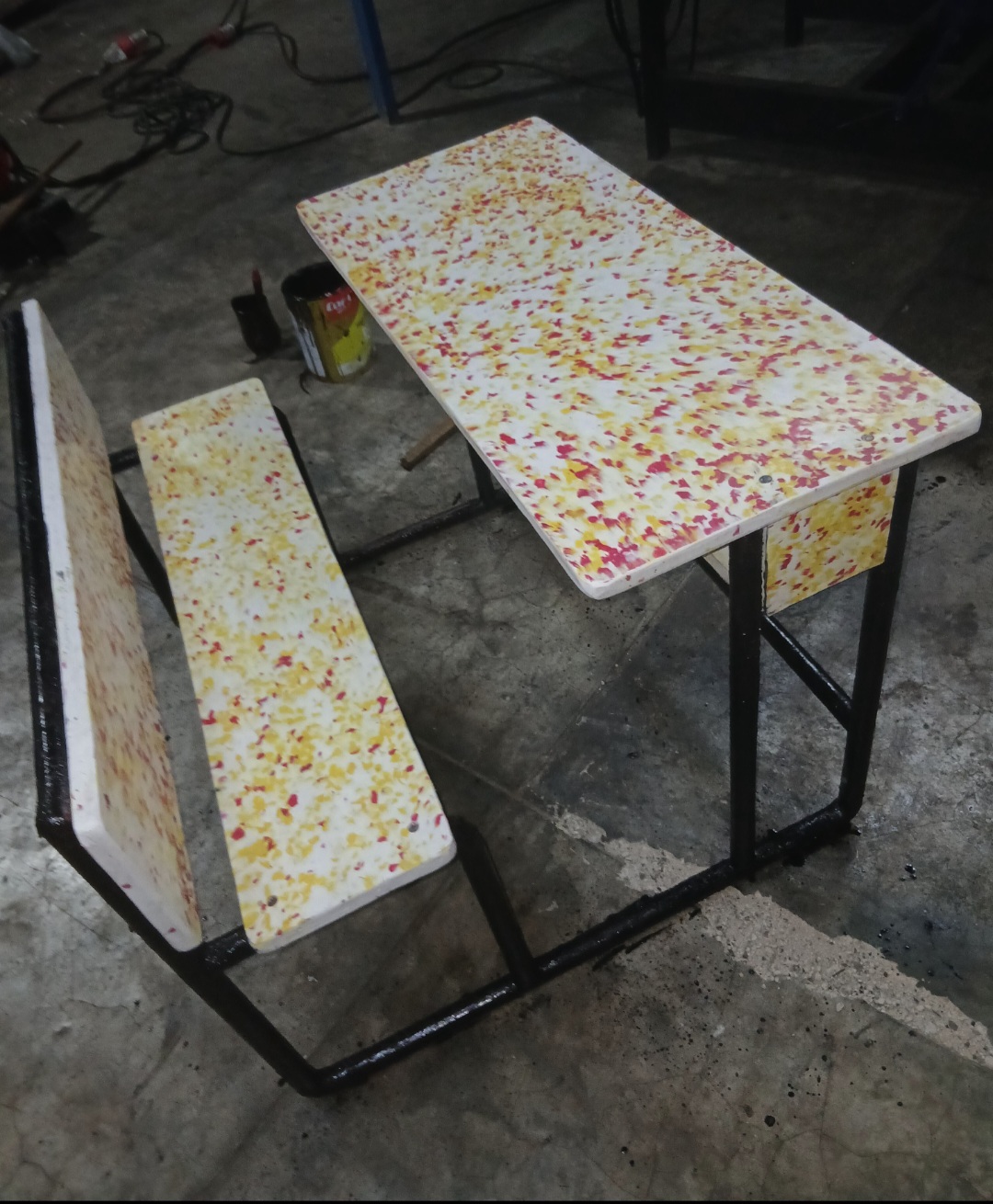
Waste Plastic To Education
Description
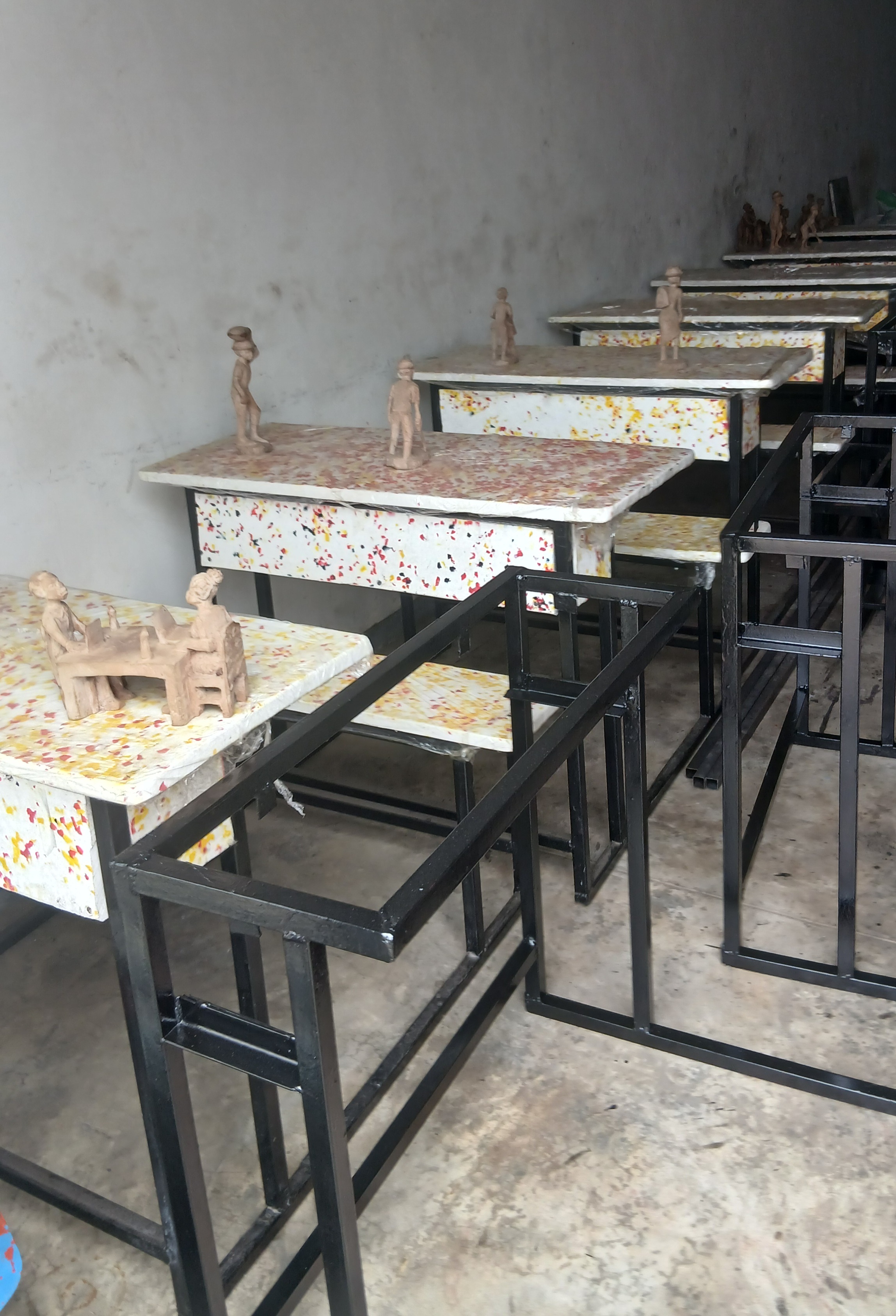
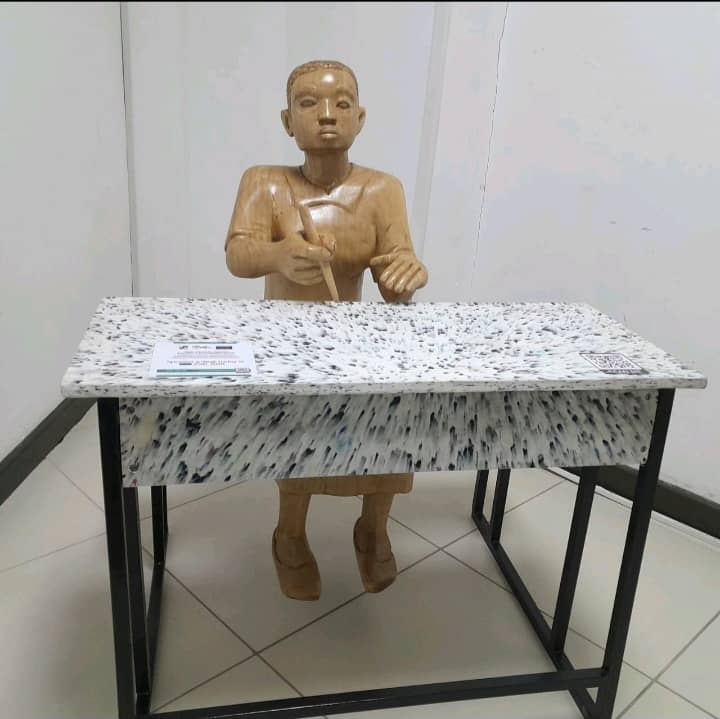
In Malawi, and many other developing countries, large amounts of plastic waste particularly HDPE (High-Density Polyethylene) end up in landfills, open spaces, or are burned, causing environmental pollution and health risks. At the same time, schools face shortages of durable and affordable desks and learning materials, often relying on wooden furniture that contributes to deforestation and is costly to replace. The Waste Plastic to Education innovation provides a sustainable solution by recycling HDPE plastic waste into durable, affordable school desk sheets. These recycled sheets replace traditional wooden desk tops, reducing pressure on forests while providing schools with long-lasting, easy-to-clean, and eco-friendly furniture. By transforming non-biodegradable plastic waste into useful educational materials, this innovation tackles two major challenges at once: waste management and the shortage of quality school furniture. The process diverts plastic waste from the environment, creates green jobs, and supports education infrastructure in a sustainable way. It promotes circular economy principles - turning waste into a resource. The initiative is currently being implemented by ArtMal, a social enterprise based in Blantyre, Malawi. The recycled HDPE desk sheets are being introduced in local schools and educational institutions, with plans to expand to other districts as production capacity grows.
Innovation Uniqueness
The Waste Plastic to Education innovation stands out by combining waste management and education development in a single, practical solution. While recycling plastics is not new, our approach is unique because it specifically targets HDPE plastic waste to produce school desk sheets that directly support educational infrastructure. Unlike traditional wooden desks that contribute to deforestation and deteriorate quickly, our recycled HDPE sheets are durable, water-resistant, termite proof and cost-effective. The innovation also integrates a community based waste collection model, ensuring environmental awareness and local participation. This creates a circular system from waste collection to classroom use that benefits both the environment and the education sector
What I am Looking For
Technology Development